Flat vs. Single-Ply Roof Installation: Which Is Right for Your Building
People searching for flat or single ply roof installation are typically looking to choose the best roofing option for their building, and local contractors can provide expert guidance and quality installation services.
Choosing the right roofing system is a key decision for property owners considering flat vs. single-ply roof installation. Whether upgrading an existing roof or installing a new one, understanding the differences can help ensure the building’s needs are met effectively. Property owners in the area might explore this topic to determine which roofing option offers the best combination of durability, maintenance, and long-term performance for their specific building type and usage. Local contractors specializing in flat and single-ply roofing can provide valuable insights and tailored recommendations, making it easier to navigate this important choice.
As you explore flat vs. single-ply roof installation, it’s helpful to consider factors like material options, installation complexity, and how each system performs under local conditions. Many property owners find that consulting with experienced service providers can clarify which roofing style aligns best with their building’s requirements and budget. Whether a flat roof’s straightforward design or a single-ply membrane’s versatility suits your property better, connecting with local experts ensures the most informed decision for your roofing project. Keep reading to learn more about the benefits and considerations of each option.
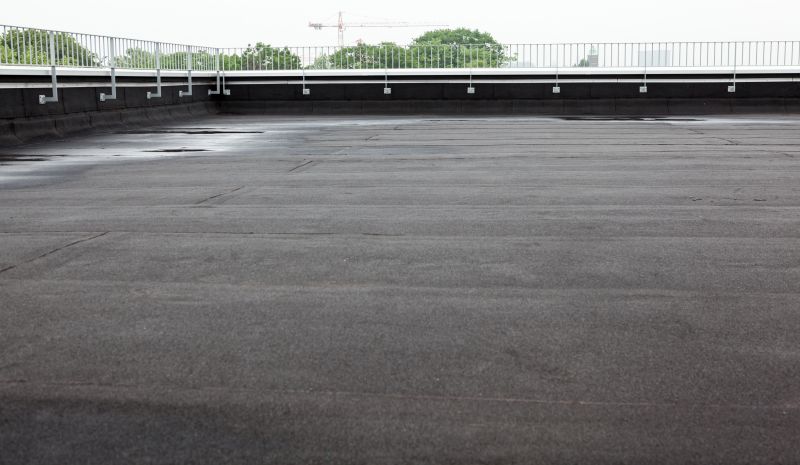
- Flat roof installation - suitable for buildings requiring a cost-effective, easy-to-maintain roofing option, with local contractors skilled in large, low-slope surfaces.
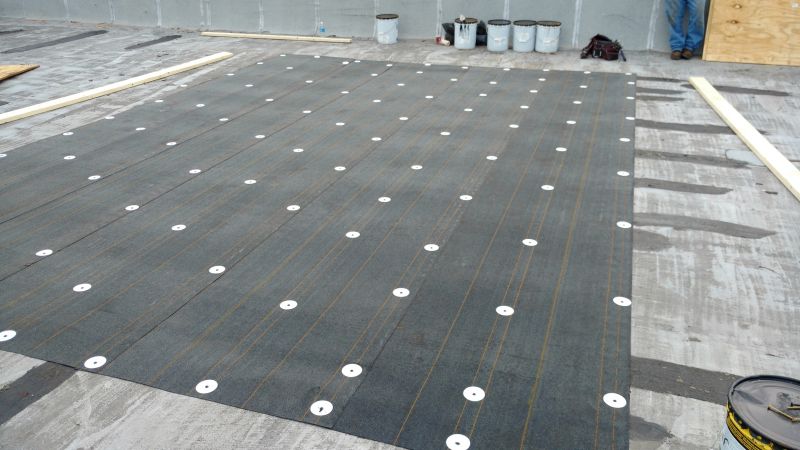
- Single-ply roof installation - ideal for structures seeking lightweight, durable roofing solutions, with service providers experienced in membrane systems.
- Flat roof installation - often chosen for commercial or industrial buildings with flat or low-slope roofs, where local pros focus on seamless waterproofing.
- Single-ply roof installation - recommended for buildings needing flexible, energy-efficient roofing options, with local contractors adept at installing membrane materials.
- Flat roof installation - best for projects prioritizing straightforward installation on simple roof designs, with local pros ensuring proper drainage and insulation.
When homeowners and property managers search for information on flat versus single-ply roof installation, they are often trying to determine which roofing system best suits their building’s needs. This topic typically comes up during renovation projects, new construction, or when addressing issues with an existing roof. People are usually interested in understanding the differences in durability, maintenance requirements, and overall performance of these roofing options. They may also be exploring which type offers better protection against weather elements or fits within the structural design of their property. The goal is to find a roofing solution that ensures longevity and minimizes future repair needs, making it essential to compare the characteristics of flat and single-ply systems in relation to specific building plans.
The decision between flat and single-ply roof installation often relates to specific problems or plans for the property. For example, buildings with flat roofs are common in commercial settings, where space for HVAC units or rooftop amenities is needed. These roofs are generally straightforward to access for maintenance and repairs but may require more frequent inspections to prevent leaks. Single-ply roofing, which includes materials like TPO, EPDM, or PVC, is favored for its flexibility and ease of installation on flat or low-slope roofs. Property owners might also be considering a new roof to improve energy efficiency or to better handle environmental stressors like heavy rain or temperature fluctuations. Local contractors specializing in flat or single-ply roof installation can evaluate these needs and recommend the most suitable approach based on the building’s existing structure and future plans.
Properties that typically come up in discussions about flat versus single-ply roof installation include commercial warehouses, office buildings, apartment complexes, and some industrial facilities. These structures often feature flat or low-slope roofs, making them prime candidates for these roofing systems. Homeowners with large, flat-roofed garages or accessory buildings might also explore these options, especially if they want a low-maintenance, durable roof that can support rooftop equipment or solar panels. The choice of roofing type can depend on the size of the property, the building’s purpose, and local climate conditions. Local service providers experienced in flat and single-ply roofing can assess these property types and help determine which system offers the best combination of performance, longevity, and cost-effectiveness.
Understanding the differences between flat and single-ply roof installation helps property owners make informed decisions about their roofing projects. Flat roofs are often praised for their simplicity and cost-effectiveness, but they may require more frequent inspections and maintenance to prevent leaks. Single-ply roofing systems are appreciated for their flexibility, ease of installation, and resistance to weathering, making them a popular choice for many low-slope roofs. Local contractors who specialize in these types of installations can provide valuable insights into the advantages and limitations of each system, helping property owners select the best solution for their building’s design and functional needs. Whether the goal is durability, ease of maintenance, or energy efficiency, understanding these options ensures that the roofing system chosen aligns with the property’s long-term performance goals.
Commercial roofing projects - local contractors experienced in flat and single-ply roofing can help with large-scale commercial installations, ensuring proper planning and material selection for durability.
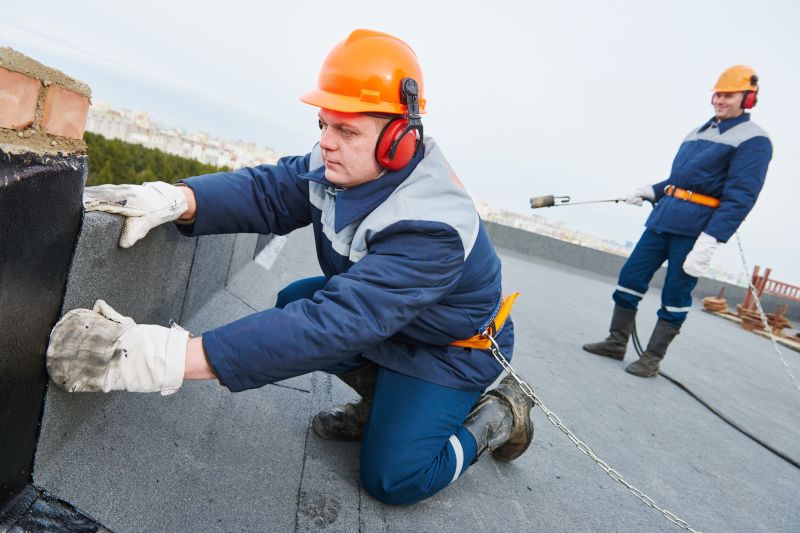
Roof membrane replacement - specialists skilled in installing and replacing roofing membranes work with both flat and single-ply systems to maintain building integrity and weather resistance.
Industrial roofing services - industrial facilities often require specialized roofing solutions, with local service providers capable of handling complex flat and single-ply roof setups.
Roof repair and maintenance - ongoing repair work for flat and single-ply roofs involves skills in identifying issues and applying appropriate patching or membrane repairs.
Green roof installations - some green roofing projects incorporate flat roof structures and membrane systems, requiring expertise from local contractors familiar with these setups.
Emergency roof services - local pros can provide urgent repairs for flat or single-ply roofs affected by weather or damage, ensuring building protection and safety.
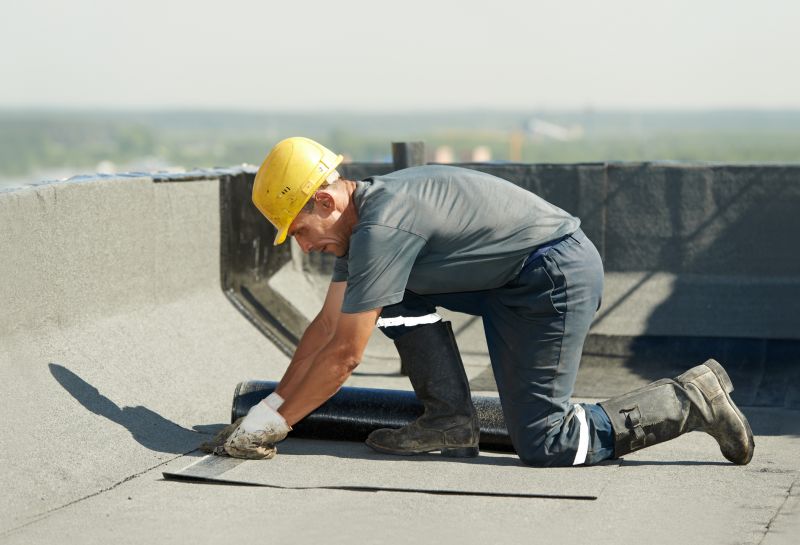
When comparing local contractors for flat versus single-ply roof installation, it’s important to consider their experience with similar projects. A contractor’s familiarity with the specific roofing systems you’re evaluating can provide valuable insight into their expertise and ability to handle the unique requirements of your building. Homeowners should inquire about the types of roofs the pros have installed in the past, especially those similar in size, design, and usage, to ensure they have the relevant background to deliver quality results. This experience helps confirm that the service provider understands the nuances of each roofing option, whether it’s a flat roof or a single-ply membrane, and can recommend the best approach based on your building’s needs.
Clear written expectations are also a critical factor when choosing a local contractor for flat or single-ply roof installation. A reputable service provider should be able to outline the scope of work, materials to be used, and the installation process in a transparent manner. Homeowners should seek detailed proposals that specify what is included and what isn’t, helping to prevent misunderstandings down the line. Good communication about project timelines, warranty coverage, and maintenance considerations can also make the decision process smoother. Ensuring that expectations are clearly documented fosters trust and provides a solid foundation for a successful roofing project.
Reputable references and strong communication skills are essential qualities when evaluating local contractors for flat vs. single-ply roof installation. References from previous clients who had similar roofing systems installed can offer insights into the contractor’s reliability, craftsmanship, and professionalism. Additionally, a service provider’s ability to listen and respond thoughtfully to questions or concerns demonstrates their commitment to clear communication. Homeowners should look for contractors who are approachable and willing to provide honest answers, as this can be a sign of a positive working relationship. Ultimately, choosing a contractor with established credibility and open communication can help ensure the project proceeds smoothly and meets expectations.
Property owners often search for flat vs. single-ply roof installation: which is right for your building when they are planning practical projects around their homes and businesses. Local pros provide Flat or Single Ply Roof Installation services for everyday jobs and straightforward project options.
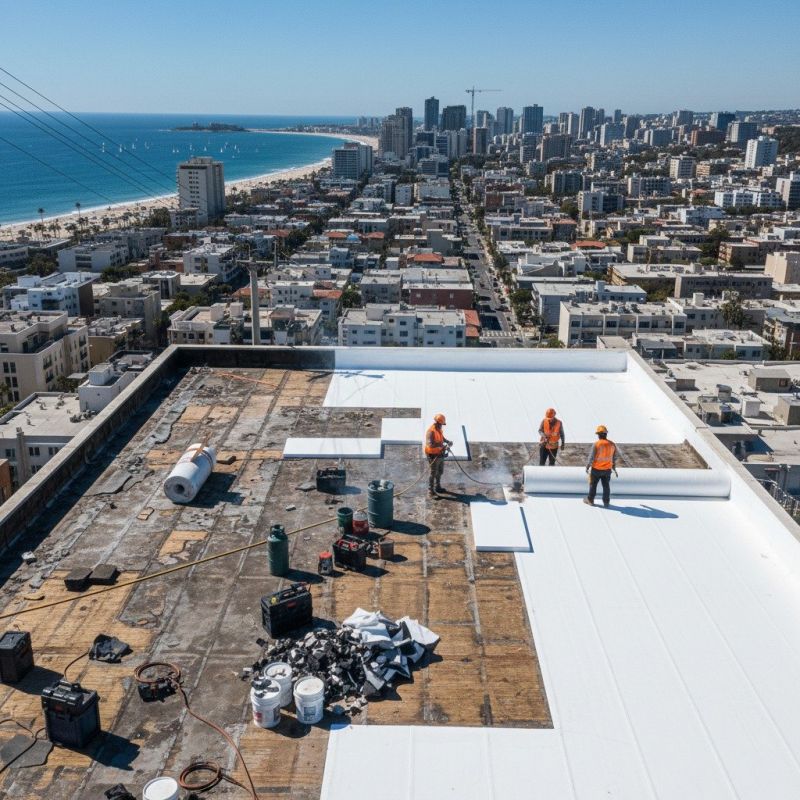
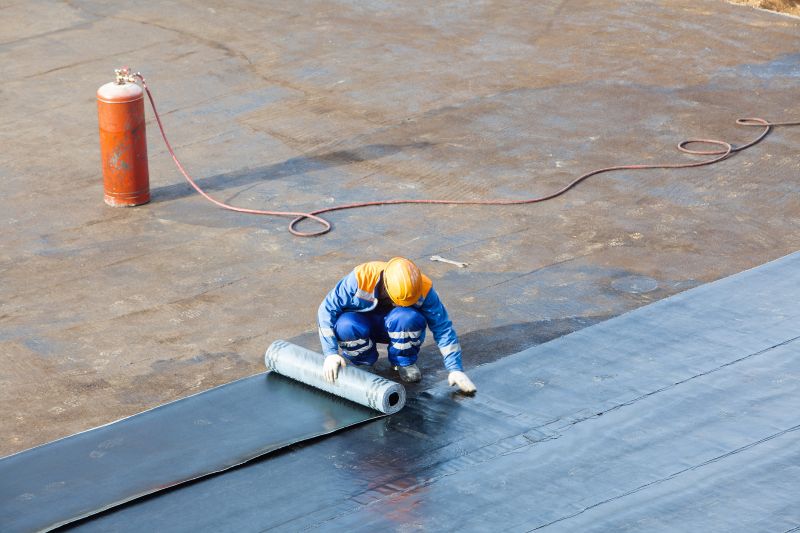
Property owners exploring options for roof installation often consider the differences between flat and single-ply roofing systems to determine which best suits their building’s needs. Flat roofs are common in commercial and industrial structures, offering a straightforward design that can provide additional usable space for equipment or rooftop amenities. Conversely, single-ply roofs are favored for their lightweight nature and flexibility, making them suitable for a variety of building types and styles. When evaluating these options, property owners might look into how each system performs in terms of durability, ease of maintenance, and suitability for the building’s specific structure and purpose.
Local contractors who specialize in flat and single-ply roof installation can help property owners navigate these choices by assessing their building’s architecture, climate considerations, and long-term goals. These service providers are equipped to recommend the most appropriate roofing system based on everyday project situations, such as the building’s size, usage, and existing roof condition. Connecting with experienced local pros allows property owners to explore practical solutions that align with their needs, ensuring the chosen roofing system provides reliable performance and value over time.
What are the main differences between flat and single-ply roof installations? Flat roofs typically involve a single, continuous surface, often made of materials like asphalt or built-up roofing, while single-ply roofs use a single layer of membrane material such as TPO, PVC, or EPDM. Local contractors can help determine which option suits your building's structure and needs best.
Which type of roof is more durable for long-term use? Single-ply roofing membranes are generally known for their durability and resistance to weathering, whereas flat roofs may require more maintenance over time. Local service providers can advise on the expected lifespan based on the specific materials and installation quality.
Are flat or single-ply roofs easier to maintain? Flat roofs often require regular inspections and maintenance to prevent issues like ponding water, while single-pply roofs are designed for easier upkeep due to their seamless membranes. Local pros can offer guidance on maintenance practices for each type.
Can both flat and single-ply roofs be installed on any building? Not all buildings are suitable for every roof type; factors like roof slope, building height, and existing structure influence suitability. Consulting with local contractors can help determine the best option for your building's specifications.
Which roofing option is better for energy efficiency? Single-ply roofing membranes often offer better energy efficiency due to reflective properties, while flat roofs can be modified with insulation and coatings. Local service providers can recommend solutions to improve energy performance based on your building's design.
Assessing building needs - Property owners can evaluate their building’s structure and usage to determine whether flat or single-ply roof installation services are more suitable.
Considering long-term durability - Deciding between these roofing options involves understanding which material offers better longevity and resistance for the specific environment.
Matching aesthetic preferences - Property owners can choose a roofing style that complements their building’s design while considering installation options available from local contractors.
Evaluating maintenance requirements - Understanding the upkeep involved with flat versus single-ply roofs helps property owners select a solution that fits their maintenance capabilities.
If you are thinking about flat vs. single-ply roof installation: which is right for your building for a property, this guide is meant to help you understand this topic, the typical project types, and how different options might fit your plans.
When you are ready, you can use the quote form on this page to share a few details about your project. From there, local pros can review the basics and follow up with options that match what you have in mind.